
Protect your business, employees, and customers with NFPA 96–compliant* hood and exhaust system cleaning across TX, OK, LA, NM, and AR.
Fort Worth has one of the fastest-growing restaurant and hospitality markets in North Texas, with thousands of commercial kitchens operating across Tarrant County. Major dining districts such as Downtown Fort Worth, Sundance Square, the Cultural District, West 7th, and the Stockyards serve large volumes of residents, tourists, and business travelers every day.
High-volume restaurant operations produce significant amounts of grease-laden vapor that move through the hood canopy, ductwork, and rooftop exhaust fan system. If kitchen exhaust systems are not cleaned on a routine schedule, grease accumulation inside the ventilation system can increase fire risk and create inspection issues during fire marshal reviews.
Because Fort Worth is a major dining destination in the Dallas–Fort Worth Metroplex, routine kitchen exhaust cleaning and NFPA 96 compliance are critical for restaurants, hotels, hospitals, and institutional kitchens operating throughout the Fort Worth area.
Fort Worth is one of our primary service markets, with route-based scheduling across the area.
Accounts are organized by commercial clusters allowing predictable service cycles and multi-unit coordination.
Most Fort Worth kitchens are serviced overnight to eliminate operational downtime. We also coordinate service windows for stadium and institutional kitchens.
Restaurant groups operating across Tarrant County receive synchronized service scheduling and centralized compliance documentation.
Fort Worth is built on hospitality, western heritage, and a thriving restaurant economy—from the Stockyards to Sundance Square. With high-volume BBQ smokehouses, steakhouses, Tex-Mex kitchens, and rodeo-driven event traffic, grease production is constant and intense.
Commercial kitchen inspections in Fort Worth are primarily enforced by the Fort Worth Fire Department and Tarrant County Fire Marshal’s Office.
If deficiencies are found, a correction notice may be issued, reinspection required, or enforcement escalated. Insurance carriers may also request documentation.
The Fire Prevention Division oversees commercial kitchen inspections in Fort Worth. Failure to maintain your exhaust system can result in violation notices, fines, or operational shutdown.
Facilitec Southwest provides inspection-ready documentation after every cleaning.
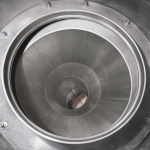
KEC is the removal of grease buildup from the entire exhaust system. This is not just surface cleaning. It is full hood & duct cleaning, exhaust fan cleaning, and professional grease removal across the entire airflow path.
Grease vapor rises from cooking equipment. As it cools in the ductwork, it condenses and accumulates. When exposed to flame or high heat:
Fort Worth has adopted NFPA 96 through local fire code enforcement. It requires:
Fort Worth has adopted NFPA 96 through local fire code enforcement. It requires:
Smoke-heavy, solid-fuel cooking produces dense grease-laden vapor. Stockyards BBQ pits generate accelerated buildup.
Major events at Dickies Arena, Convention Center, and Texas Motor Speedway create volume surges pushing kitchens beyond normal output.
High-density dining in Downtown, Sundance Square, and West 7th means constant production and increased inspection visibility.
Dry air can accelerate grease vapor ignition potential when flame roll-out occurs in the kitchen.
Remove heavy grease from the entire exhaust system.
Apply industry-leading cleaning agents, then pressure wash to remove remaining residue.
Repeat as needed until clean and compliant, then apply your service sticker and documentation.
Our primary goal is ensuring your system meets NFPA 96 standards and passes fire inspections.
We service most kitchens overnight to eliminate operational downtime for your business.
If you receive a violation notice, we prioritize corrective cleaning to get you back in compliance fast.
Synchronized scheduling and billing for restaurant groups operating across Tarrant County.
Proof of service, photo logs, and deficiency reports to satisfy fire marshals and insurance carriers.
Deep expertise with smoke-heavy BBQ concepts and high-volume fryer operations common in Fort Worth.
Kitchen hood cleaning protects your facility, staff, and customers—it protects your business. Over time, cooking oils and vapors are pulled into the exhaust system, leaving flammable residue that can cause fires. Facilitec Southwest provides specialized, NFPA 96–compliant cleaning that removes built-up grease and keeps your kitchen fire-safe and inspection-ready.
Our maintenance program combines hood cleaning and rooftop grease containment into one convenient plan. We’ll set the perfect schedule, handle reminders, and offer monthly billing options so you can stay compliant without the hassle.

Fort Worth follows NFPA 96 cleaning frequency standards. Depending on cooking volume and fuel type, kitchens may need service monthly, quarterly, semiannually, or annually.
The Fort Worth Fire Department Fire Prevention Division enforces kitchen exhaust and fire code compliance within city limits. The Tarrant County Fire Marshal may oversee areas outside municipal boundaries.
Yes. Fort Worth has adopted NFPA 96 as part of its fire code. Restaurants must maintain documented, professional kitchen exhaust cleaning to meet inspection standards.
You may receive a violation notice and be required to correct deficiencies before re-inspection. Continued non-compliance can lead to fines or operational shutdown.
Cost depends on system size, grease volume, accessibility, and cleaning frequency. BBQ and smoke-heavy kitchens typically require more labor and higher frequency.
Yes. Food trucks with commercial cooking operations must maintain clean exhaust systems and may be inspected by local fire authorities.
Cooking oils and vapors build up in the exhaust hood, ductwork, and fan system. Regular cleaning removes that residue before it ignites.
Yes. Every job meets or exceeds NFPA 96 standards. You’ll receive documentation and service stickers for inspections.
Absolutely. We schedule after-hours or overnight cleaning to minimize disruption.
Yes. We hand-scrape and pressure wash the entire system—hood, filters, ducts, and fan assembly.
A full service includes hood interior, filters, ducts, exhaust fan, and rooftop discharge area cleaned to bare metal where accessible.